
Kamawanu Furin Wind Bell Mameshibori Blue
A gentle summer chime, hand-crafted in Edo tradition
Soothing sounds to relieve summer heat. Edo furin popularised during the Edo Period 1603 and 1868 are crafted of hand-blown glass and hand-painted decoration. The gentle bell signals the presence of a summer breeze, an auditory cue that relief has arrived. A creative solution that inspires psychological cooling as well as physical cooling in the presence of the breeze.
Edo Furin are individually crafted of hand-blown glass, in the absence of a mould and display an irregular opening to elicit varied high and low tones that, combined with the natural movement of air, offer an audible comfort to oneself.
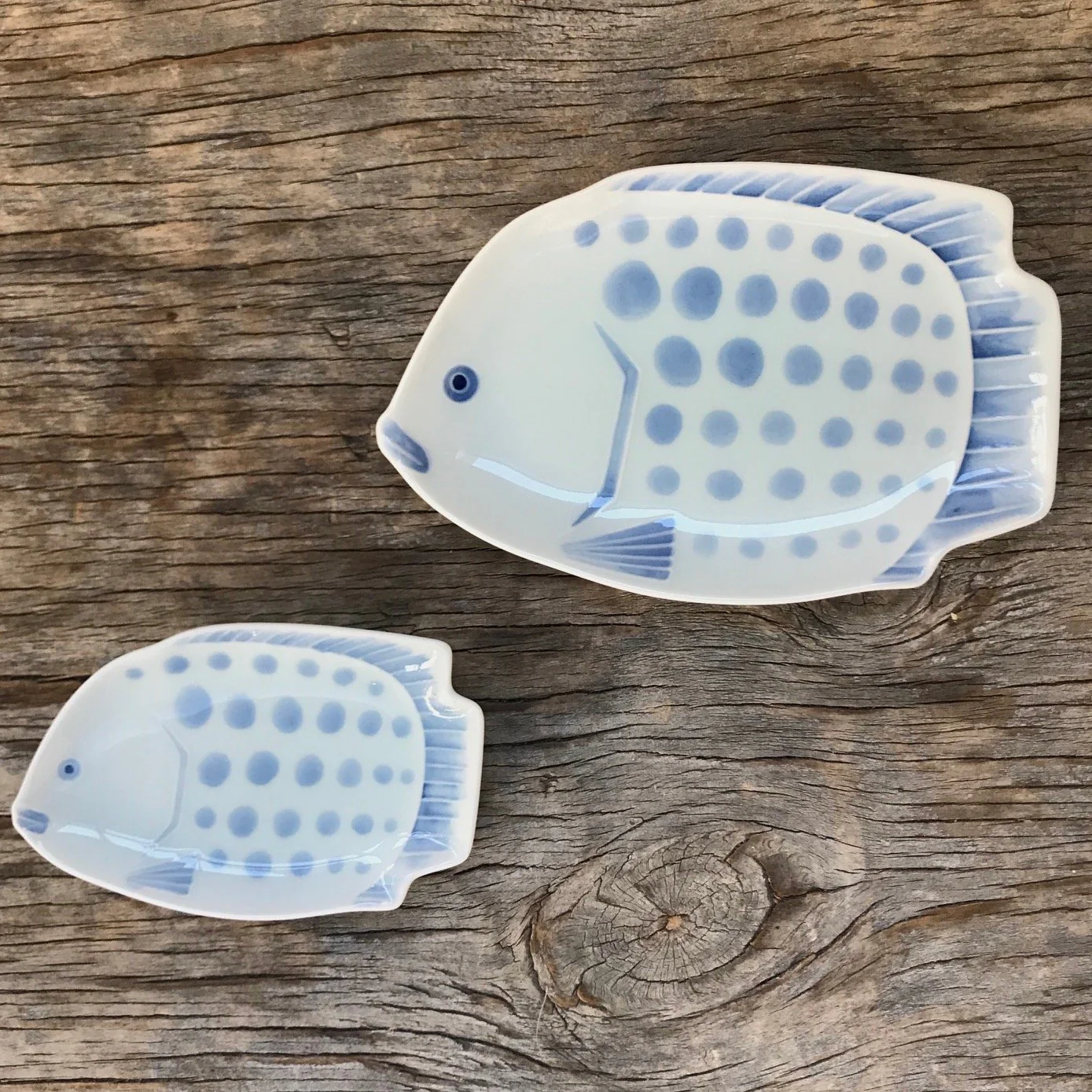
The Mameshibori pattern features small, scattered dots arranged in a gentle rhythm. Traditionally, mameshibori is associated with good health, diligence, and steady growth — as the word mame can mean both “beans” and “being well” in Japanese.
The blue colour brings a calm, balanced feeling, making this pattern a quiet symbol of everyday wellbeing in Japanese textiles.
Original: $54.00
-65%$54.00
$18.90Product Information
Product Information
Shipping & Returns
Shipping & Returns
Description
A gentle summer chime, hand-crafted in Edo tradition
Soothing sounds to relieve summer heat. Edo furin popularised during the Edo Period 1603 and 1868 are crafted of hand-blown glass and hand-painted decoration. The gentle bell signals the presence of a summer breeze, an auditory cue that relief has arrived. A creative solution that inspires psychological cooling as well as physical cooling in the presence of the breeze.
Edo Furin are individually crafted of hand-blown glass, in the absence of a mould and display an irregular opening to elicit varied high and low tones that, combined with the natural movement of air, offer an audible comfort to oneself.
The Mameshibori pattern features small, scattered dots arranged in a gentle rhythm. Traditionally, mameshibori is associated with good health, diligence, and steady growth — as the word mame can mean both “beans” and “being well” in Japanese.
The blue colour brings a calm, balanced feeling, making this pattern a quiet symbol of everyday wellbeing in Japanese textiles.